
From Recon to Live Listing: How Automotive Imaging Automation Speeds Up Used Car Sales
From Recon to Live Listing: How Automotive Imaging Automation Speeds Up Used Car Sales
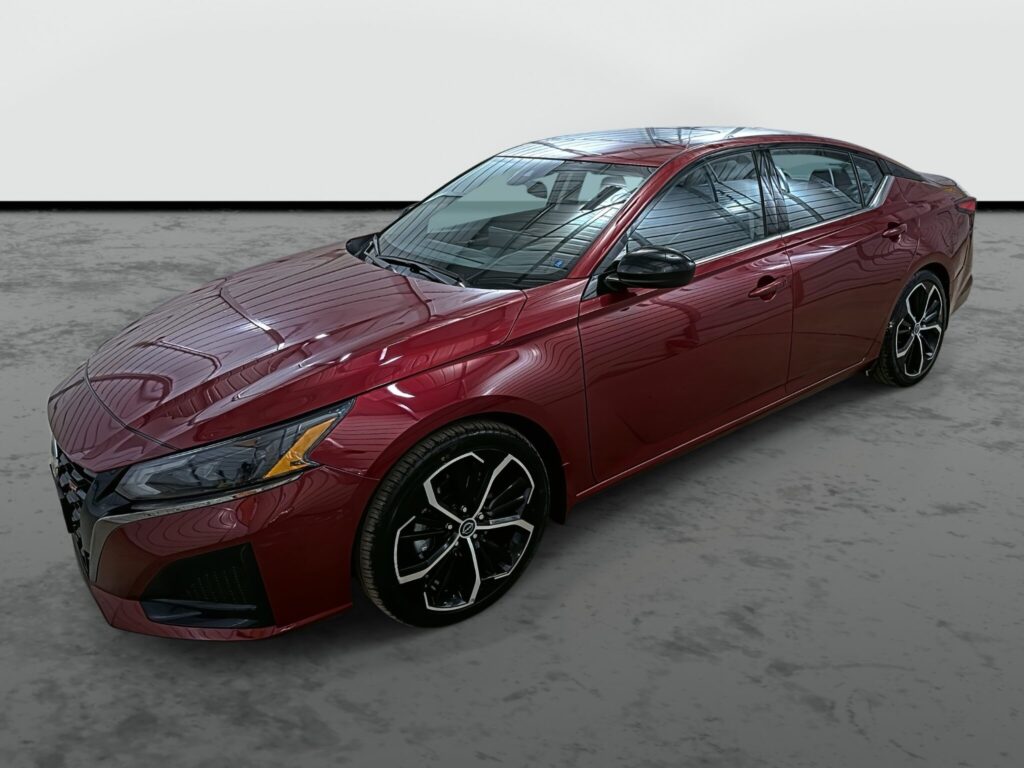
When most dealers look at their aging report, they are really just looking at what has already happened. Cars sitting around for 30, 60, or 90 days tell a story that’s already over. The thing is, by the time a car hits those later stages, its fate is pretty much sealed.
The real chance to make a difference happens much, much earlier.
In 2026, one of the biggest deals in used car operations is the time it takes from reconditioning a car to getting it listed online. Right in the middle of that whole process is automotive imaging. This is the moment a car stops being something just for the dealership and becomes something everyone can see and buy.
There is a small window where everyone’s attention, customer demand, and how much money you can make all line up just right. Every single hour that passes between a service tech finishing their work and that car showing up online affects how well it sells. This delay isn’t just about how things are run inside. It’s directly connected to how you take pictures of your cars.
New listings get a boost in search results, so dealerships that are faster grab that early attention. You are still paying interest on that car sitting on your lot, whether it is online or not. At the same time, shoppers see listings with missing photos, which immediately makes them trust you less.
These days, incomplete used car pictures tell buyers loud and clear that the car isn’t ready.
This article is all about how old ways of working cause delays in automotive imaging and how automated car imaging turns those delays into a clear, predictable, and money-making process. This shift is part of a larger transformation happening across the industry, as explored in What’s Shifting in the Used Car Market for 2026? 5 Trends Dealers Can’t Ignore.
Mapping the Traditional Recon-to-Live Workflow
At a lot of dealerships, the steps to get a car ready for the front line are clear. Mechanical work usually follows a set schedule. Detailing is organized and always done the same way. But once a car is ready for pictures, that’s when things often get messy.
The typical journey starts when you get a car, either as a trade-in or from an auction. From there, it goes into the shop for reconditioning, where all the necessary repairs are done. Once that’s finished, it moves to detailing, where they get it looking sharp.
At this point, the car should be ready to go online. But instead, it waits.
It waits for someone to schedule the used car photography. It waits for the perfect lighting conditions. It waits for someone to find the keys or figure out what happens next. What seems like a tiny pause quickly turns into a big delay.
A photographer walks around the car, snapping photos one by one. After that, the files must be moved, edited, and made ready to upload. A lot of the time, this whole editing process happens somewhere else, adding even more time before the listing is complete.
Finally, the car is uploaded, and everyone can see it. While this process sounds simple, the reality is much different. The picture-taking stage introduces a lot of unknowns that are tough to control.
Bad weather can push back photography for days. Not enough staff can slow down schedules. Backlogs can pile up without anyone really knowing how bad it is. A car that’s ready on Friday might not get photographed until Monday, meaning you miss out on getting it seen during one of the busiest shopping times of the week.
These delays really add up. A process that should take a few hours stretches into days. In a market where timing directly affects how well you do, inefficient automotive imaging silently cuts into your profits.
Identifying the Volatility: Why Automotive Imaging Is the Bottleneck
Service and detailing are all about being consistent. Tasks are measured, repeatable, and organized. Automotive imaging, especially traditional used car photography, often works outside that kind of system.
This creates uncertainty in the whole process. The lighting changes all day long, which makes cars look different online. Having enough staff means scheduling is always uncertain. Different photographers have different styles, so your inventory ends up looking inconsistent.
These little things might seem small on their own, but together they create a major gap in your operations.
When a car is not online, it is not part of the market. It is not being seen, compared, or even thought about. It becomes dead inventory that keeps costing you money without bringing in any sales.
This is where automated vehicle imaging becomes super important. By taking out all that guesswork and bringing in structure, automotive imaging changes from being an unpredictable step to a controlled, operational function.
Manual vs. Automated: A Side-by-Side Operational Audit
To really get how much of a difference a change can make, it’s important to see how the process works under different conditions.
In the old way of doing things, the whole picture-taking process depends on outside stuff. Whether you have enough staff, what the weather is like, and how well you can coordinate schedules all affect how fast a car goes live. The result is that things are inconsistent, both in terms of timing and the final pictures. Some cars get listed quickly, while others face delays that are hard to predict.
The quality changes, too. The angles, the lighting, and how the car is framed are different from one shoot to the next. This means your listings do not look uniform, which changes how buyers see your inventory.
The speed is just as unpredictable. A car might go live in a few hours, or it might take several days. Handling the data often means more manual steps, which just adds more friction to the whole process.
With automated vehicle imaging, the entire setup changes completely.
The environment is controlled, so you do not have to worry about the weather or what time of day it is. The lighting is always the same, and every car is photographed using the same angles and framing. This creates a standardized look for all your automotive imaging across your entire inventory.
Speed becomes instant. Cars move straight from detailing into the imaging system and are processed in just minutes. All the post-production, including background adjustments and getting files ready, happens automatically.
The difference is not just about being more efficient. It is about being reliable.
Manual ways of working depend on a lot of effort and coordination. Automated systems depend on a clear process and the right tools. In a busy dealership, that difference really shows how much your operation can grow.
Real-World Operational Wins
When automotive imaging becomes standardized, the good stuff happens way beyond just the photo booth.
The first big improvement is speed. Cars no longer sit around waiting between stages. They go straight from detailing to imaging and then right into live listings. This creates a smooth flow where your inventory is always hitting the market.
Speed also means better visibility. Listings that go live earlier get seen while people are still looking for what they want. Automotive imaging becomes a key part of how you show up online, letting dealerships grab attention before competitors do.
Things also become much clearer operationally. That common “photo pending” status disappears, which makes reporting easier and reduces uncertainty for your team.
Your brand perception gets a boost, too. When every car is shown with consistent lighting, angles, and quality, your entire inventory just looks more professional. This consistency builds trust and makes your dealership look stronger online.
These are not just separate good things. They are all connected results of a system that takes out the variables and brings in control.
The 2026 Context: Why Good Enough Isn’t Enough Anymore
The market has changed so much that you just cannot afford to be inefficient anymore.
Holding costs have gone up, making every day a car sits on your lot more expensive. Faster automotive imaging directly cuts down the time between reconditioning a car and selling it, which really helps protect your profit margins.
At the same time, what customers expect has changed a lot. Buyers want to see everything clearly. High-resolution images, full coverage, and immediate availability are now just standard. Automated vehicle imaging helps you meet these expectations by delivering consistent, high-quality pictures at a large scale.
Pressure on your profits keeps growing. Pricing is affected by what’s happening in the broader market, leaving less room for operational delays. Being able to move inventory quickly becomes one of the few advantages you can control.
Automation tackles all these pressures at once. It is not just about taking better pictures. It is about protecting your profitability.
Connecting the Dots: Merchandising Is Operations
In today’s dealerships, how you present your cars and how you run things are no longer separate jobs.
Automotive imaging sits right at the point where both meet.
How fast a car goes live affects how quickly it can sell. How consistently it is presented affects how people see it. How the whole process is structured affects how efficiently your team works.
When all these parts are working together, you get a smoother, more predictable system.
Automated vehicle imaging acts as the link between your service department and your sales team. It gets rid of delays, makes your output consistent, and creates a direct path from reconditioning to getting that car on the market.
This connection turns imaging into a core part of your operations, not just some side tasks.
Final Takeaway: Velocity Wins
Used car sales really start the moment a car becomes visible. And that moment is all about automotive imaging.
If the time between reconditioning and listing is all over the place, your sales performance will be all over the place. Dealerships that bring structure to this stage create a more stable and scalable operation.
Consistency helps with speed. Speed helps you sell cars faster. Selling cars faster helps with profitability. These good results are not separate. They are all part of the same system.
Next Step
If the time it takes from reconditioning a car to listing it feels too long, or if you keep seeing “photo pending” in your reports, it might be time to look at your automotive imaging process.
Black Widow Imaging helps dealerships get things moving faster with automated vehicle imaging systems. By getting rid of delays and making presentations consistent, dealerships gain control over one of the most important stages in the sales process. Book a demo and see how easy imaging can be.