
7 Vehicle Photography Tips That Sell Cars Faster (and One That Automates Everything)
7 Vehicle Photography Tips That Sell Cars Faster (and One That Automates Everything)
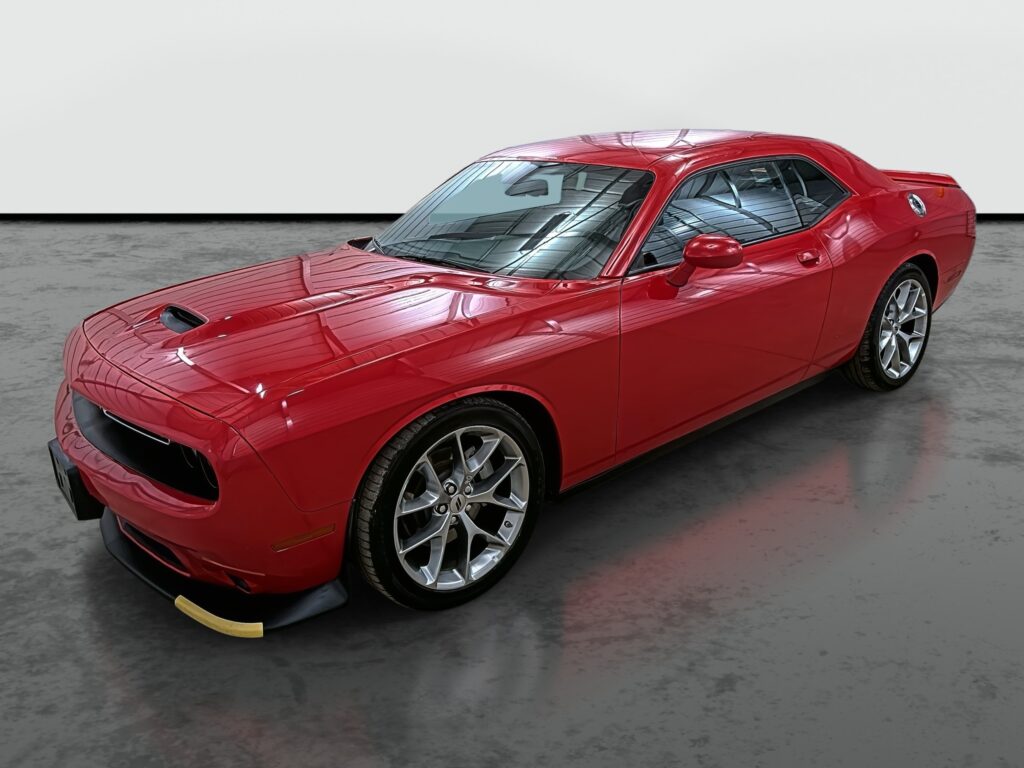
Have you ever paused to consider why some vehicle listings seem to vanish into the digital atmosphere, while others command immediate attention? A potential buyer embarks on their online journey, fingers impulsively scrolling, a blur of dozens of apparently identical vehicles flashing across their screen: the same year, the same trim, comparable mileage, and a familiar price tag.
What makes them hit the brakes on their scroll and look? It’s rarely the glowing description, nor the promise of a warranty, and certainly not the price, not at first glance. The magnetic force rests entirely with the photos, every single time.
In a mere flicker of a second, buyers make a silent, lightning-fast judgment:
- Does this look like it was cared for?
- Does this dealership seem legitimate?
- Can I trust what I’m seeing here?
If there’s even a whisper of “maybe not,” they’re gone, with no intention of returning.
Here’s the harsh truth: in today’s fiercely competitive market, photography is the bedrock of your conversion strategy. It’s the invisible handshake that either welcomes a buyer in or pushes them away.
Fuzzy photos plant seeds of doubt; the doubt breeds negotiation, and negotiation eats into your margins; for automotive sales, margins are lifeblood.
Nowadays, the way you present a vehicle visually directly dictates its perceived value. The dealerships and auctions that consistently turn inventory faster, the ones that seem to have a magic touch, have cracked the simple code: vehicle photography matters.
In this guide, we’re not just offering tips; we’re revealing 7 battle-tested vehicle photography strategies that the top automotive sellers swear by, and then, we’re going to pull back the curtain on the single biggest shift that eliminates inconsistency and scales your success.
Why Vehicle Photography Matters More Than Ever
Think back ten years, when buyers might hit up a few local lots before deciding, today they scroll through fifty online listings before even picking up the phone.
The entire buying journey has flipped; that means your online listing is the hook to the sales process.
Imagine this common scenario:
There are two identical vehicles: same model, same trim, even the same price.
Listing A:
- Bright, evenly lit, crisp photos.
- Clean, professional background
- Consistent angles, every time
- Crystal-clear interior shots
Listing B:
- Harsh sun glares and dark, murky shadows
- Cluttered, distracting background
- Oddly cropped, crooked frames
- Missing critical interior views
Even if both cars are mechanically identical, there is one that feels more valuable; the one you would trust more will be: Listing A.
This is because buyers subconsciously link visual clarity with mechanical reliability and dealership professionalism. It’s an unconscious feeling, but it’s powerful enough to lead the sale.
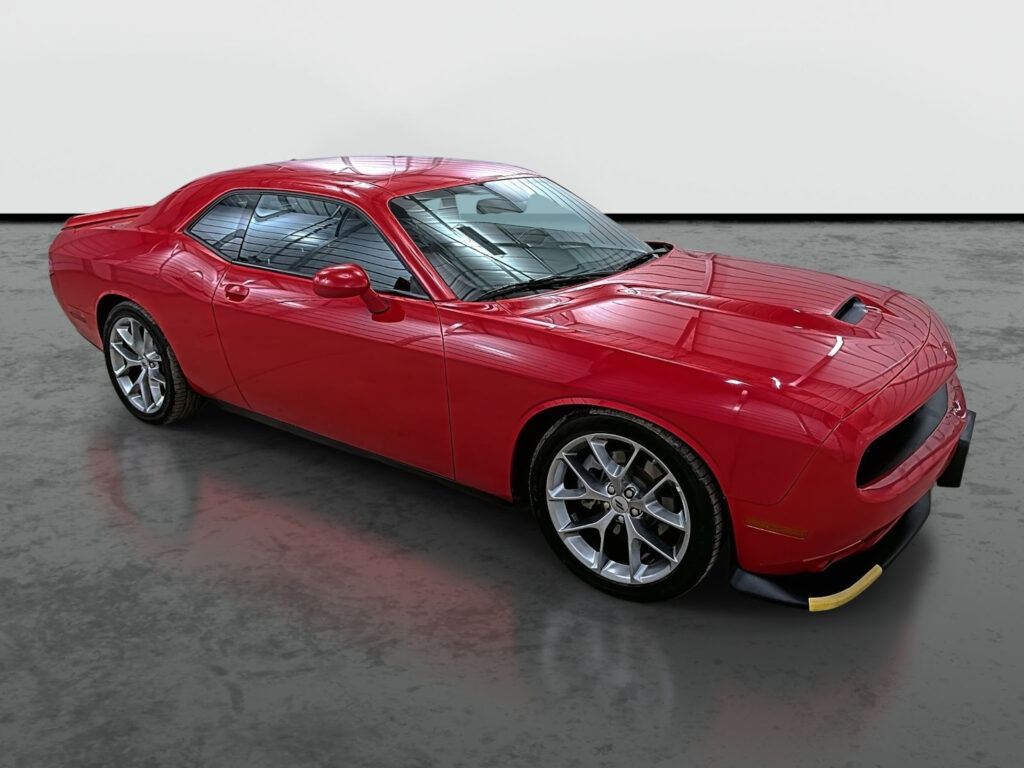
If your photography sells confidence, it directly impacts:
- Click-through rates: Getting eyes on your listing.
- Time on page: Keeping those eyes engaged.
- Lead submission rates: Turning lookers into buyers.
- Your negotiation power: Setting the stage for a strong sale.
- The final selling price: Maximizing your profit.
High-quality images cut through the noise; they answer unspoken questions, they build trust and excitement long before a salesperson ever gets involved.
The Silent Killer: Why Inconsistent Photos Are Costing You Big
Let’s be real: no dealership tries to publish bad photos. The problem is the unavoidable variability of manual processes.
When you rely on manual photography, inconsistency is the default:
- Different team members shoot with different styles.
- The weather changes faster than you can say “sold!”
- Cars get parked in different spots on the lot.
- Time pressure builds, leading to rushed shots.
The result will be an inventory that looks like a chaotic mess, for example:
One car is shot at noon, battling blinding glare.
Another is captured on a gloomy, overcast day.
A third is half-hidden in shadow.
To a buyer, this screams disorganization, when in reality it is inconsistency generated by manual photography. Now imagine that multiplied across 100+ vehicles. Inconsistent lighting, mismatched backgrounds, uneven framing, it all adds up to a subtle but devastating perception: chaos. And chaos erodes trust.
To change the game and start having the results wanted, let’s dive into the tips that will make your car listing stand apart.
Tip #1: Control Your Lighting (Before You Touch the Camera).
Lighting is the single biggest difference between a snapshot and a sales driver.
By controlling the lighting, the mission becomes simple: showcase the vehicle clearly, without weird reflections, harsh glare, or washed-out colors.
When you use light wisely, the natural light is your best friend. Overcast days are gold because they create soft, even lighting that minimizes annoying reflections and deep, shadowy spots.
Golden hour: early morning or late afternoon. This is pure magic because it highlights body lines, adds depth, and makes your vehicle pop without blowing out details.
What to actively avoid:
- Midday sun directly overhead: This creates brutal shadows under the car and paint reflections that look terrible.
- Mixed lighting: Sunlight fighting with artificial lights results in bizarre color shifts.
- Parking near reflective surfaces: Those unexpected glares can ruin an otherwise perfect shot.
Imagine a sleek black SUV shot in harsh midday sun; it looks patchy and dusty. That same SUV, captured under soft, even light, suddenly appears smooth, premium, and utterly desirable.
Buyers might not consciously know why they prefer one over the other, but they feel it. And that feeling is what drives the sale. Lighting positions the vehicle in the buyer’s mind.
Tip #2: Choose a Clean, Distraction-Free Background
Imagine walking into a showroom where random signage, trash bins, and other vehicles clutter every display; that’s exactly what a messy background does online.
When buyers scan your listings, their eyes should lock onto the car instantly. Every single visual distraction dilutes that impact.
Common background mistakes:
- Shooting in a chaotic, crowded lot.
- Letting poles or signs appear to “grow” out of the car’s roof.
- Including other vehicles too close in the frame.
- Uneven pavement, dirty service areas, or general clutter.
Clean, neutral backgrounds are strategic. They make your vehicle stand out, creating clarity and a sense of luxury.
In addition, a consistent background across all your listings builds a powerful brand perception. When every car is presented in a controlled, uniform setting, buyers subconsciously equate that control with professionalism and trustworthiness.
Achieving this manually, day in and day out, with changing weather, staff, and inventory flow is an operational headache.
Tip #3: Use Proven Angles That Buyers Expect
Online buyers are mentally performing a virtual walkaround. If your listing skips crucial views, you’re forcing them to fill in the blanks, and their imagination almost always defaults to doubt.
To avoid this, every single vehicle listing needs to include:
Exterior:
- Front three-quarter angle: This is your money shot, the most visually compelling hero view.
- Rear three-quarter angle: Crucial for showing off the tail end and overall stance.
- Full driver-side profile: A clean, unobstructed side view.
Interior:
- Driver cockpit view: Show the command center perspective.
- Dashboard and infotainment close-up: Highlight key features and tech.
- Front seating: Display the condition of the driver and passenger seats.
- Rear seating: Don’t forget the back space; the condition matters.
- Cargo area: A clean shot of the trunk or cargo space.
Let’s say a listing completely misses the rear angle. What does a buyer immediately wonder? Is there bumper damage? Uneven paint? Excessive wear? Even small gaps in your visual coverage chip away at buyer confidence.
Complete, comprehensive visual coverage eliminates uncertainty and fast-tracks the decision-making process. When buyers feel like they’ve already virtually “walked around” the vehicle, reaching out to your dealership becomes the obvious next step.
Tip #4: Keep Framing and Composition Consistent
Think about any high-end brand: Apple, Rolex, Mercedes. All of them have impeccable consistency in presentation.
If one of your vehicles appears super close to the camera, and the next is miles away, it creates visual chaos. If your camera height bounces around from listing to listing, your entire inventory screams disorganization.
It is crucial to keep consistency in:
- Camera height: Eye-level for every car.
- Distance from the vehicle: Uniform spacing.
- Crop ratio: Keep the visual framework the same.
- Vehicle alignment: Always centered, always straight.
This isn’t just about aesthetics; it creates a polished, catalog-like presentation that instantly elevates perceived value.
When your inventory looks organized, structured, and deliberate, buyers subconsciously assume your internal operations are just as structured and reliable, and that perception directly impacts your pricing power.
Tip #5: Highlight Condition Honestly (Trust Sells Faster)
Trying to hide minor imperfections or over-editing photos might net you a few extra clicks, but it’s guaranteed to create friction later, especially during the in-person inspection.
Today’s buyers demand transparency, so it is healthy to:
- Show minor wear honestly.
- Capture interior condition clearly, warts and all.
- Document small blemishes if they exist.
When a buyer’s online expectations perfectly match the real-world condition, negotiations become shorter, smoother, and far less painful.
Dealerships that embrace visual transparency consistently report:
- Faster closing timelines: Less back-and-forth.
- Fewer surprise objections: No hidden condition.
- Higher post-sale satisfaction: Happy customers, fewer headaches.
Trust builds velocity, and velocity protects your margins.
Tip #6: Speed Matters: Shoot, Upload, Publish Fast
Every single hour a vehicle sits in the lot, unphotographed and unlisted, is an hour of lost exposure, lost leads, and lost revenue.
In high-volume sales environments, photography delays are often the biggest operational bottleneck:
- Waiting for an available staff member who knows how to shoot.
- Wasting time sorting through dozens of inconsistent image sets.
- The endless cycle of editing and resizing.
- Struggling with upload formatting across multiple platforms.
If a vehicle remains unlisted for 48 hours, that’s two full days of missed impressions, missed searches, and potential buyers moving on to your competitor.
High-performing dealerships live by “same-day publication” standards for a reason. Momentum matters.
Tip #7: Optimize Photos for Online Listings
Even if an image is stunning, the customer will not wait if it takes forever to load. A gorgeous photo that’s a slowpoke is actively hurting your sales.
Your images must be:
- High resolution: So, buyers can zoom in and see every detail.
- Properly sized: Meeting the exact requirements of each platform.
- Optimized for speed: Loading in a blink, every single time.
Slow-loading photos are conversion killers, especially for mobile users who are often on the go. They lead to higher bounce rates and frustrated buyers.
Your photography needs to be a technical powerhouse as well as a visual masterpiece. Sharp, clear, and lightning-fast.
The Tip That Changes Everything: Automated Vehicle Photography
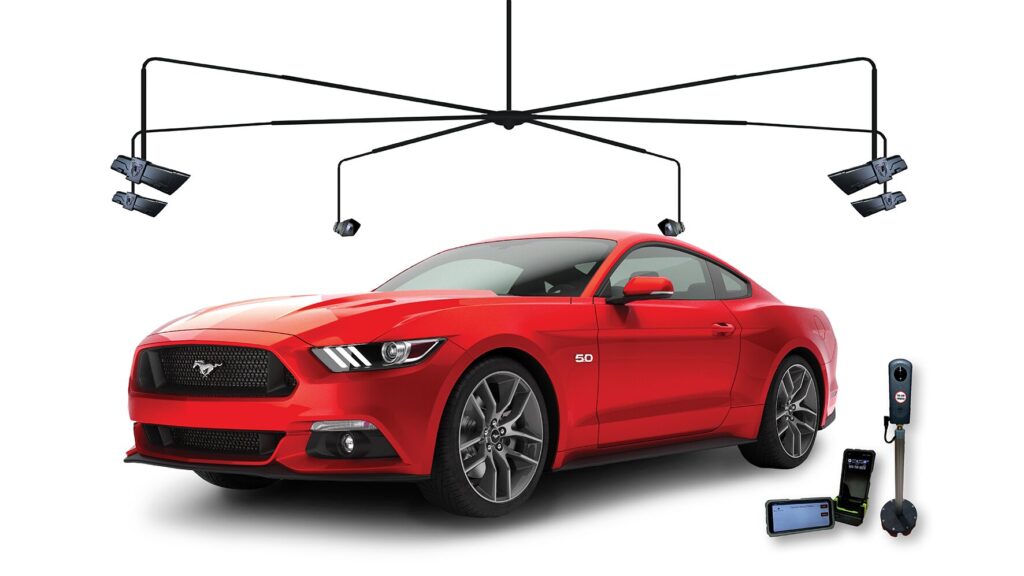
Here’s the fundamental operational truth you need to internalize: Manual vehicle photography simply does not scale effectively.
As your inventory volume grows:
- Inconsistency becomes rampant.
- Costs skyrocket due to labor and re-dos.
- You become dangerously dependent on specific staff members.
- Editing bottlenecks grow into impossible walls.
Automation changes the entire game. It rips inconsistency out by the roots.
Modern automated vehicle photography systems deliver:
- Studio-controlled lighting: Perfect conditions, every time.
- Uniform, neutral backgrounds: Professionalism by design.
- Standardized angles: No more missed shots.
- Immediate image processing: Instantaneous, perfect images.
- Scalable output: Handle any volume with ease.
Instead of hoping for consistency, engineer it.
Dealerships and auctions operating at scale need predictable, repeatable, high-quality output.
Automation drastically reduces your cost per vehicle while simultaneously elevating quality, which translates to operational leverage.
Who These Vehicle Photography Tips Are For
If you’re managing:
- A bustling dealership with daily intake.
- A high-volume auction operation.
- A fleet remarketing powerhouse.
- Multi-location inventory that needs to feel cohesive.
Then you understand: photography directly impacts your turn rate, your lead volume, and the integrity of your pricing.
Better Photos Sell Cars Faster
These vehicle photography tips are strategies that generate revenue.
When implemented correctly, they will:
- Skyrocket your click-through rates: Get more eyes on your cars.
- Boost buyer confidence: Turn hesitant shoppers into eager buyers.
- Slash time on the lot: Move inventory faster than ever.
- Protect your asking price: Sell for what your cars are truly worth.
- Streamline your entire operation: Work smarter, not harder.
The fastest, most effective path forward is about combining these best practices with the power of automation.
When quality becomes a system, not a manual effort, your performance becomes predictable. and predictable performance scales.
Ready to Revolutionize Your Inventory Workflow?
Modern automotive sales demand modern visual infrastructure. When your photography is consistent, blazing fast, and utterly frictionless, your entire sales process becomes just as smooth and efficient, better photos sell cars faster.
Learn how automated vehicle photography can transform your inventory workflow.