
Manual vs Automated Vehicle Photography: Which One Scales for Dealerships?
Manual vs Automated Vehicle Photography: Which One Scales for Dealerships?
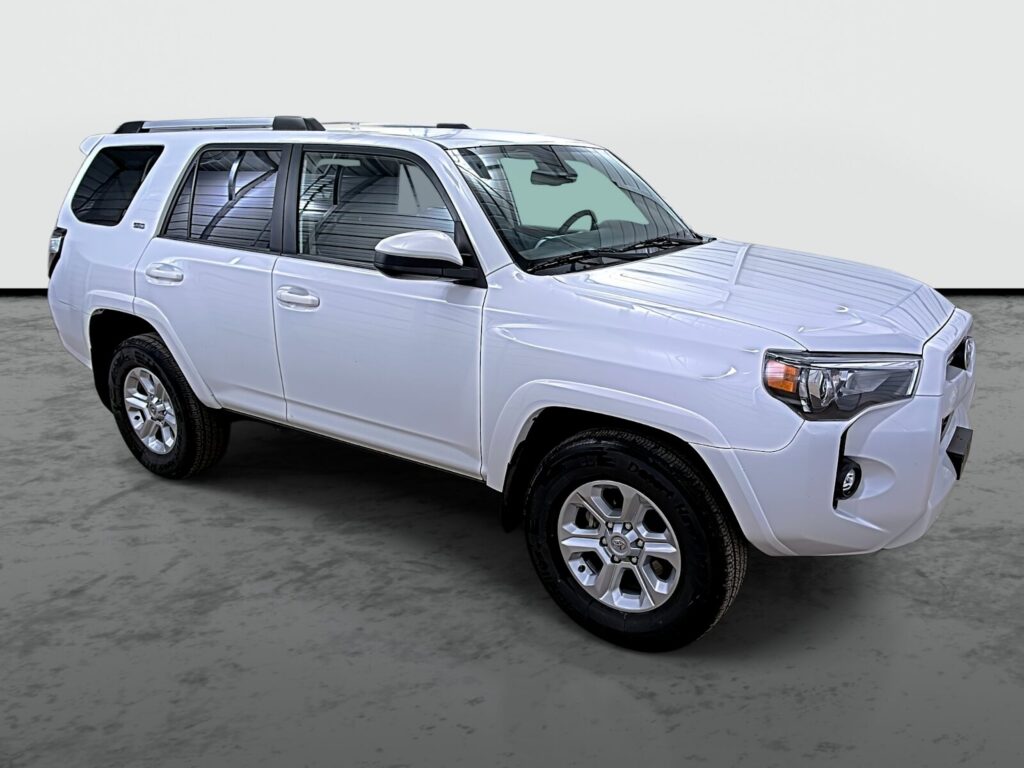
There was a time when vehicle photography was viewed purely as a creative task, making the metal look shiny. Today, it’s a rigorous operational requirement.
In the modern dealership ecosystem, your photos are the front line of your sales workflow. They dictate how quickly a car moves from the truck to the web, how many VDP (Vehicle Detail Page) views it captures, and ultimately, how fast it turns.
However, as inventory volume increases, managing photography manually becomes a logistical nightmare. More cars mean more photoshoots, more editing time, and more opportunities for bottlenecks.
Eventually, most dealerships hit a ceiling where manual processes just can’t keep pace with incoming inventory. If you’re feeling that pressure, you aren’t alone.
This guide explores the operational reality of manual versus automated vehicle photography, breaking down the true costs, scalability issues, and why consistency is the new currency of automotive retail.
How Manual Vehicle Photography Typically Works
In many dealerships, the process for manual photography is often defined by any person who happens to be available.
It usually looks something like this: a salesperson, a porter, or a lot attendant grabs a camera or a smartphone when they have a spare moment. If you rely on a third-party vendor, you are at the mercy of their schedule. The shooting happens when there is time, not necessarily when the vehicle is ready.
Then comes the post-production: editing, cropping, and uploading are often handled in separate steps. The result is variability.
Different staff members shoot at different times of day, leading to inconsistent lighting. Angles drift, backgrounds get messy, and framing becomes a guessing game. Some cars are snapped immediately; others sit on the lot for days as ghost inventory before a photo ever hits the site.
When quality depends entirely on the person holding the camera, inconsistency is certain.
The Hidden Costs of Manual Vehicle Photography
The cost of manual photography isn’t just the hourly wage of the person taking the pictures. The real expenses are buried in operational resistance.
Consider the hidden time sinks:
- Moving vehicles into position and restaging them.
- Waiting for the weather or lighting to cooperate.
- Re-shoots caused by blurry images or missed details.
- Hours spent cropping and uploading to the system.
Then, there is the opportunity cost. If a salesperson is taking photos, they aren’t working leads. If a manager is checking image quality, no one is managing the floor. Manual photography pulls your staff away from the activities that generate revenue.
Furthermore, inconsistent output creates downstream issues. Poor photos lead to lower click-through rates, while incomplete photo sets damage buyer trust. As your volume increases, these costs multiply. Manual photography scales linearly: to shoot more cars, you need more bodies and more hours, and that gets expensive fast.
Staffing, Time, and Consistency Challenges
Manual processes rely on people, and people are variable. When you lose a trained staff member, you lose their knowledge. New hires require training, and even then, standards tend to drift over time. When the month is ending and the pressure hits, shortcuts become expected:
- Fewer angles are captured.
- Framing becomes rushed.
- Lighting conditions are ignored.
- Critical vehicle details are skipped.
Inconsistent backgrounds and lighting weaken your brand authority. As your inventory grows, manually checking every image becomes impossible. The bigger your operation gets, the more friction manual photography creates.
What Automated Vehicle Photography Solves
Automated vehicle photography replaces human variability with systemized reliability.
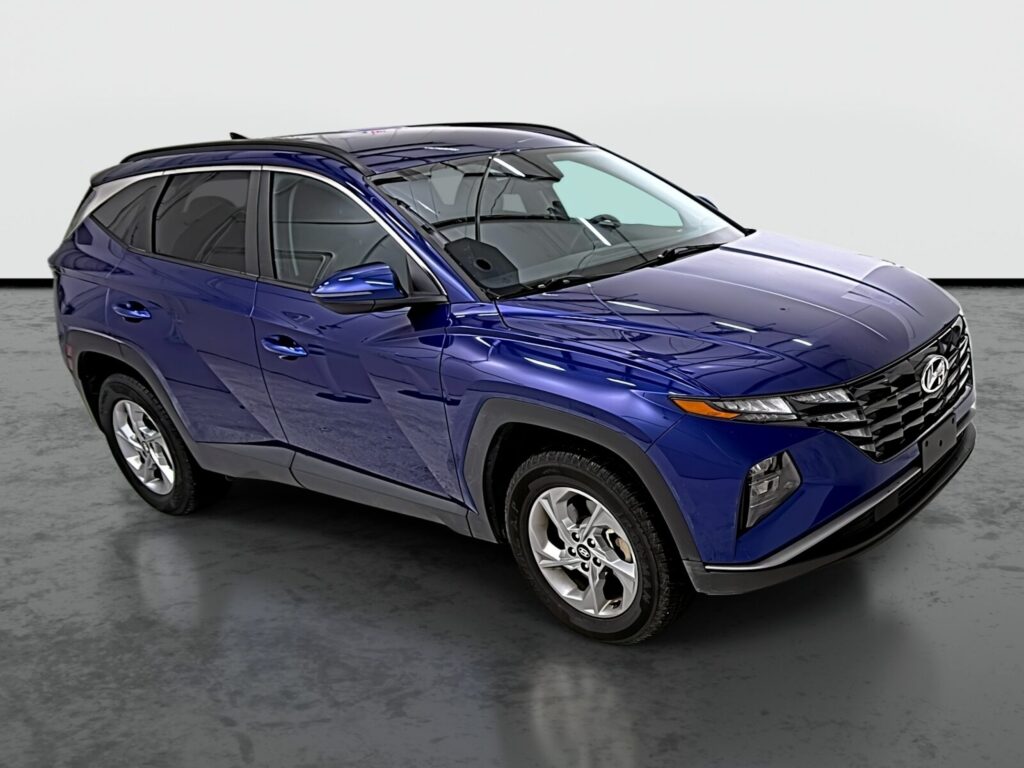
Rather than relying on the individual skill of an employee, automation standardizes the entire capture environment. This ensures controlled lighting, fixed camera angles, consistent framing, and repeatable photo sets for every single unit.
This consistency delivers tangible operational ROI:
- Faster Time-to-Market
Vehicles move online instantly. You eliminate the waiting game for staff availability or sunny weather.
- Reduced Human Dependency
Quality is no longer dictated by who is holding the camera. The system enforces the standard, allowing entry-level staff to produce professional results.
- Uniform Merchandising
Every listing looks organized. Whether it’s a $15k trade in or a $90k truck, every vehicle meets the same high visual baseline.
- A Predictable Workflow
Photography stops being an extra and becomes a repeatable, non-negotiable step in your intake process.
Automation removes the variable that kills scalability: inconsistency.
What Automation Doesn’t Solve (and Why That Matters)
It is important to be realistic; automation is not magic, it is a force multiplier. It will not fix a broken inventory process. Vehicles still need to be cleaned, staged properly, and merchandised strategically. Furthermore, automation doesn’t replace the need for smart pricing or market positioning. Photography supports your sales strategy, but it doesn’t define it.
Implementing automated vehicle photography requires upfront planning regarding workflow integration and staff training. Dealerships that view it as a system upgrade rather than a shortcut always see the best results.
When Manual Photography Still Makes Sense
Manual photography still has a place in specific scenarios:
- Low-Volume Stores: If you only turn a small number of units monthly, manual processes may be manageable without dragging down operations.
- Specialty Inventory: High-end exotics or heavily customized rigs often benefit from creative, adapted photoshoots that highlight unique features.
- Dedicated Media Teams: If you have the budget for a professional, full-time in-house photographer with strict quality assurance standards, manual excellence is possible, though usually at a higher cost per unit.
The important matter is to know that manual photography does not scale.
Who Benefits Most from Automated Vehicle Photography
Automation becomes a superpower when volume and brand consistency are the priorities. It is ideal for:
- High Volume Dealerships: When speed to market is critical, and delays cost money.
- Auctions & Re-marketing: Where massive quantity demands a standardized, rapid workflow.
- Dealer Groups: Where maintaining brand consistency across multiple locations is essential for operational control.
- Teams Facing Staffing Issues: Automation stabilizes your output regardless of turnover or staff shortages.
When photography becomes the bottleneck in your sales funnel, automation is the solution.
Manual vs Automated Photography: A Scalability Comparison
Here is the bottom line on growth:
Manual photography scales with labor.
If there are more vehicles, more people are needed, more time is required, and the result is more variability.
Automated vehicle photography scales with systems.
More vehicles equal the same process, same quality, and the result is faster output.
At scale, automation solidifies quality. In a digital market where any screen is the new showroom, consistency becomes operational.
How Automation Fits into a Modern Dealership Workflow
In a modern dealership, photography should feel like a manufacturing step, structured and predictable.
With automation, photography becomes a standard intake milestone. Vehicles hit the website faster, marketing teams get reliable assets, and sales teams have stronger listings to share with customers.
Photography shifts from being a creative variable to a reliable performance lever. When that happens, your entire inventory workflow tightens up.
The Bigger Picture
Choosing between manual and automated vehicle photography is about math.
As your inventory grows, manual systems inevitably strain. Delays creep in, quality fluctuates, and labor costs rise. Automation introduces the consistency and predictability required to run a high-volume operation efficiently.
Want to understand how automated vehicle photography works in practice?
Read: 7 Vehicle Photography Tips That Sell Cars Faster (The Tip That