
How Vehicle Photography Impacts Time-to-Sale and Vehicle Pricing
How Vehicle Photography Impacts Time-to-Sale and Vehicle Pricing
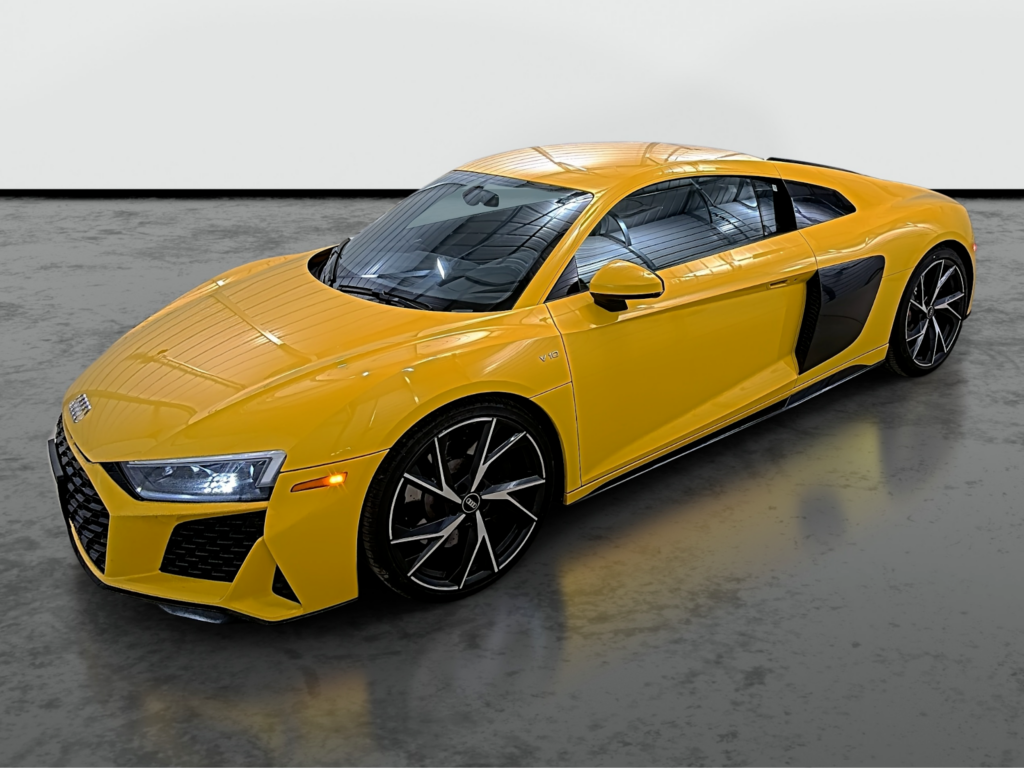
A visual narrative leads to buying decisions. Long before a prospective buyer begins comparing trim levels, calculating monthly payments, or verifying mileage, they are engaging in a purely visual experience. They are looking at the photos.
The impact of vehicle photography on sales begins the moment a shopper’s eyes land on a listing. In today’s digital marketplace, the vehicle is evaluated, judged, and often dismissed long before a buyer ever sets foot on the physical lot. The purchasing journey now starts on a high-definition phone screen, where attention spans are limited, and the competition is just a scroll away.
In this environment, photography is the decisive element of the digital showroom.
Convincing images foster engagement and establish perceived value, while lifeless visuals create friction and hesitation. This visual momentum is critical; vehicles that generate early interest tend to move through inventory faster and retain their pricing integrity.
Below, we explore how buyers visually process listings, how photography shapes the perception of quality, and why consistency is the foundation of digital trust.
How Buyers Evaluate Vehicle Listings Visually
Online shoppers behave differently from those in the lot. Instead of physically walking around a vehicle, they perform a rapid visual scan. When browsing marketplace platforms or dealership websites, buyers are presented with multiple options. In this context, they rarely read descriptions first; they scan images.
The primary photo serves as the hook. If the image appears clean, sharp, and professional, it invites the buyer to look closer. If it appears rushed, poorly lit, or cluttered, it signals the brain to move on. That instant visual judgment directly influences the flow of qualified leads.
Buyers unconsciously use photography as a shortcut to assess risk. The quality of the image is often mentally associated with the quality of the vehicle itself.
- Clarity and Lighting: Sharp, evenly lit images suggest transparency and care.
- Composition: Organized, level framing implies professionalism and attention to detail.
- Completeness: A thorough photo set suggests honesty; there is nothing to hide.
Equally, dark shadows, awkward angles, or grainy textures create a sense of uncertainty. Even if the buyer cannot articulate why, a poor photo creates a feeling that the vehicle potentially hides defects.
Vehicles are rarely evaluated in isolation. Buyers often open multiple tabs, comparing similar vehicles with similar specs side-by-side.
In this scenario, photography becomes the primary differentiator. Two vehicles may be mechanically identical, but the one presented with polished, quality visuals will capture the engagement. Better lighting and clear interior shots create a superior first impression, allowing one vehicle to outshine the competition simply through presentation.
The Relationship Between Photo Quality and Perceived Vehicle Value
Professional photography does more than simply document a vehicle’s existence; it enhances its desirability.
Clean exterior shots communicate that the vehicle is pristine. Detailed interior images demonstrate transparency. When a vehicle is presented thoughtfully, buyers naturally assume it has been maintained with equal thoughtfulness. This raises the vehicle’s mental value before the price is even considered.
On the other hand, even a mechanically sound vehicle can feel like a risky purchase if the visuals are weak. Blurry images or harsh glares can obscure details, leading buyers to wonder what might be hidden in the shadows.
In the psychology of online buying, uncertainty translates to hesitation. When buyers sense risk, they mentally lower the value of the asset. They may still be interested, but their willingness to pay the asking price diminishes as they reason about the risk of what they can’t clearly see.
Photography establishes the buyer’s internal price anchor. Before they look at the numbers, they ask themselves: Does this look like it’s worth the price?
If the visuals are strong, the listed price feels justified. If the visuals are lacking, immediate resistance forms. The perception of value creates a baseline for all future interactions regarding that vehicle.
Why Poor Photos Lead to Longer Time-to-Sale
If a listing does not receive clicks, it cannot generate inquiries. Marketplace algorithms often prioritize engagement; listings that receive more interaction gain more visibility. Poor images reduce that engagement, slowly pushing the vehicle out of the spotlight.
Modern buyers expect a complete visual story. They look for specific details: the condition of the leather, the dashboard layout, the tread on the tires, and the cargo capacity.
When these elements are missing, buyers hesitate. Rather than reaching out to ask for more photos, the modern consumer typically takes the path of least resistance: they move to a competitor’s listing that answers their questions visually.
When vehicles remain in inventory due to poor presentation, operational costs begin to accumulate. Floorplan interest, depreciation, and storage costs reduce the net profit of the unit. The vehicle photography impact on sales is, therefore, a matter of operational efficiency.
Why Vehicles with Poor Photos Often Require Price Reductions
When a vehicle fails to attract interest, the common response is to adjust the price. However, in many cases, the issue is not the price, but the presentation.
If the visuals fail to emotionally engage the buyer, lowering the price may generate attention, but it needlessly sacrifices margin. Often, improving the photography can reignite interest more effectively than a price cut.
Repeated price reductions can create a negative feedback loop. Buyers monitoring listings may interpret frequent price drops as a signal that the vehicle has underlying issues.
Even if the car is in perfect condition, the optics of a struggling listing can erode buyer confidence. Superior photography helps maintain the vehicle’s perceived value, reducing the need for reactive pricing strategies.
How Consistent Photography Builds Brand Trust
When a dealership’s inventory follows a uniform visual standard: consistent angles, lighting, and backgrounds, it communicates a high level of operational discipline.
Buyers recognize patterns, and patterns create a sense of stability. Consistency suggests that the dealership applies the same rigorous standards to its inspections and customer service as they do to its vehicle photography.
Over time, consistent presentation becomes a recognizable part of the brand identity. Shoppers begin to associate a specific visual style with a specific seller, building a subconscious level of comfort. When buyers trust the professionalism of the seller, they are more willing to take the next step, reducing the friction between browsing and buying.
Why Manual Photography Makes Consistency Hard to Maintain
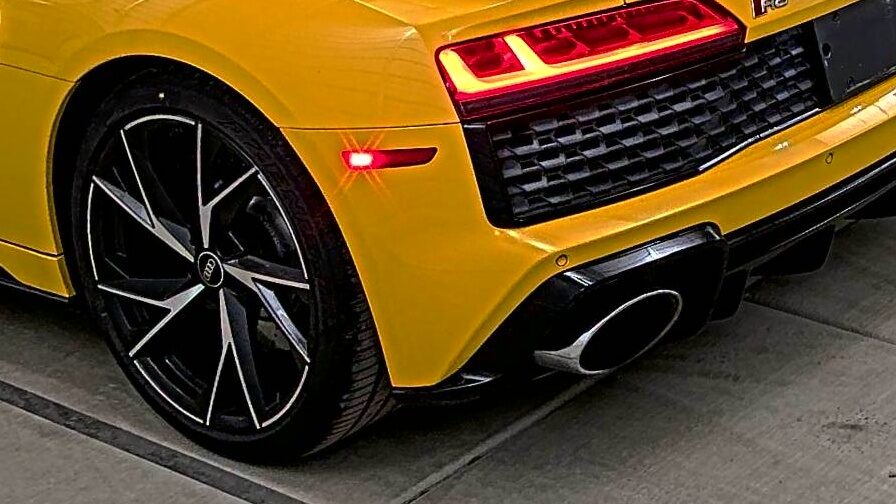
When photography is handled manually by different staff members, variations are inevitable. Differences in camera settings, lighting conditions, and individual techniques lead to an incoherent online showroom. Even minor inconsistencies can detract from the overall perception of professionalism.
In a fast-paced sales environment, time is a luxury. Under pressure, corners are often cut, fewer angles are captured, lighting is overlooked, or details are missed. Over time, these small shortcuts degrade the quality of the listings.
As inventory grows, maintaining a manual standard becomes increasingly difficult. What starts as a minor variation can turn into noticeable inconsistency, which ultimately weakens the brand’s visual authority.
Connecting the Dots: Why Photography Is a Sales Strategy
Photography influences visibility, trust, perceived value, and pricing power. It dictates how often listings are clicked, shapes how confident buyers feel, and influences how long vehicles remain in inventory. With different external market factors, the vehicle photography’s impact on sales is a variable that can be controlled and optimized.
By treating photography as a strategic asset, dealerships can improve buyer confidence and drive more efficient sales outcomes.
Looking for deeper insights on optimizing your visual strategy?Read: 7 Vehicle Photography Tips That Sell Cars Faster (and One That Automates Everything)